
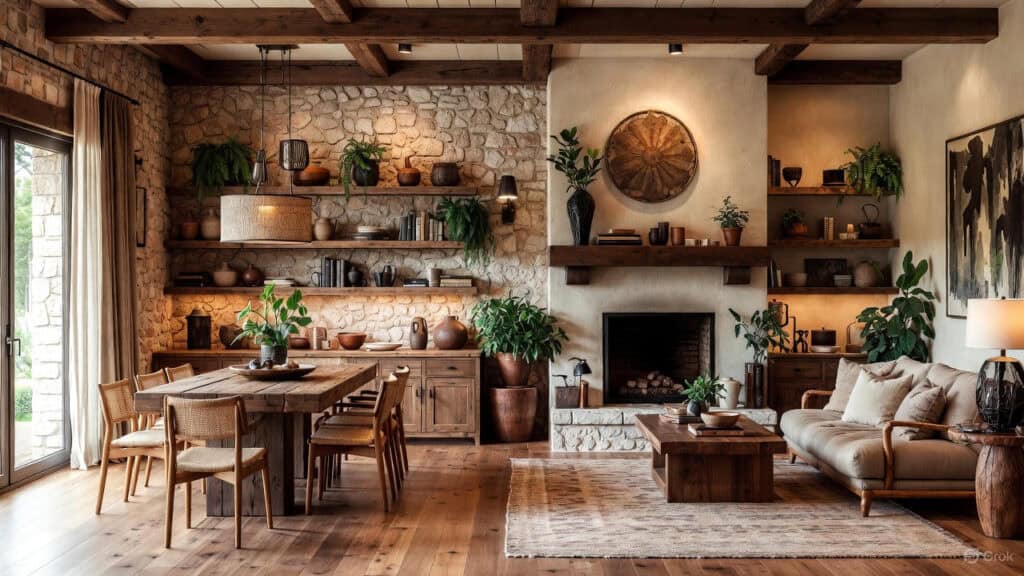
Natural Interior Design Concepts
Natural interior design does more than just follow a trend—it brings calm and comfort straight into homes and offices. Using wood, stone, sunlight, and leafy plants turns any room into a cozy, steady place. These elements connect the indoors to the outside world, making spaces feel like peaceful retreats. Studies show natural light and plants can boost mood and work performance by almost 15 percent. Picture your space as a fresh breeze full of relaxing energy. People who want a chill, inviting vibe that feels alive will dig this style. Keep reading to see how bringing nature inside can turn daily life into something truly special.
This article lays out practical ideas and tested approaches you can use in any home. Read on for material choices, color strategies, lighting and ventilation tips, ways to use plants as structural elements, and design tactics that work in small flats. Concrete examples and maintenance notes are included so you can act on these ideas today.
Natural Interior Design Concepts and Why They Work
At its core this approach uses elements found in nature to create spaces that calm the senses and support daily routines. Natural wood, stone and woven fibers bring warmth to a room. Daylight supports circadian rhythms. Plants improve air quality and add a dynamic, living layer. Together these elements create rooms that feel balanced and wearable.
Evidence from environmental psychology links access to natural light and greenery with improved mood and concentration. For homeowners that means improved comfort and longer lasting satisfaction with design choices. When you pick materials and layouts with longevity in mind you reduce the need for frequent updates, which saves money and reduces material waste.
Choosing Natural Materials for Floors and Surfaces
Material choice sets the tone for the entire space. For floors consider timber or stone where the budget and building constraints allow. Each material has trade offs that matter during selection and installation.
- Timber offers a warm tonal range and ages gracefully. Look for sustainably managed sources and finishes that let the grain breathe. Solid wood can be sanded and repaired over time.
- Stone and tiles provide durability and a cool touch underfoot. Use textured finishes to reduce slipperiness and to introduce surface interest.
- Woven natural fibers such as jute or sisal work well for rugs and runners. They add a grounded feel and are generally low maintenance when vacuumed regularly.
For countertops and visible surfaces choose materials that tolerate daily use. Matte finishes show wear more gently than high gloss. Where water exposure is high choose materials that handle moisture without staining.
Color Palettes Rooted in Nature
Natural palettes are usually anchored in neutral earth tones with accents drawn from plant, stone or sky colors. A simple rule is to pick three core tones and one or two accent shades for accessories and art.
- Start with a warm neutral for large surfaces
- Add a mid tone for furniture pieces
- Choose a single accent inspired by foliage, clay or sea glass
Light affects how these colors read. Test paint and fabric samples near windows and under artificial light during evening hours. This small step prevents surprises and reduces the chance of repainting.
Light and Airflow Strategies for Healthy Interiors
Natural Interior Design Concepts rely heavily on daylight and fresh air. Thoughtful placement of windows, translucent partitions and low profile window treatments makes a major difference in how a room feels. Consider layers of light, including ambient overhead light and targeted task lighting for reading and cooking.
Maximizing Daylight
Position seating and work areas close to windows where possible. Use sheer curtains to diffuse glare while letting in usable light. Use reflective light colours on ceilings to bounce daylight deeper into a room.
Improving Airflow
Cross ventilation is a cost effective tactic. Even small openings at opposite ends of a space create a pressure difference that encourages air movement. Where windows are limited, mechanical ventilation with heat recovery can keep indoor air fresh while limiting energy loss.
Plants and Green Elements as Living Design Features
Plants are not mere accessories. When chosen and placed deliberately they function as privacy screens, room dividers and focal points. Select species that match your light conditions and maintenance time.
Low Maintenance Plant Picks
- Snake plant for low light and infrequent watering
- Pothos for hanging planters or high shelves
- ZZ plant for bright indirect light and occasional care
Using Plants Structurally
Large pots can anchor seating areas in open plan rooms. A row of tall, narrow planters can screen a home office without closing off space. Trailing plants soften shelving and create a layered effect that changes through the seasons.
Texture Pattern and Layering for Natural Warmth
Texture is how natural interiors communicate comfort. Combine smooth timber surfaces with nubby textiles and woven shades to keep the eye moving. Patterns should be used sparingly and at different scales so they do not compete.
- Large scale pattern on a rug
- Medium scale pattern on cushions or throws
- Small, subtle pattern on ceramics or lamp shades
Layering does not mean clutter. Aim for three layers in any major zone: a foundational element such as flooring, a middle layer such as furniture, and a top layer that includes textiles and smaller objects. This approach creates richness without chaos.
Bringing Natural Concepts into Small Spaces
Small apartments can gain a sense of openness with natural design choices. Use pale wood tones and light reflecting surfaces to make compact spaces feel larger. Multi functional furniture keeps clutter down. A single well placed plant or a piece of hand thrown pottery can make a room feel intentional.
If you live in Singapore and want professional help for a residential update consider reaching out to Interior Design Singapore for an initial consultation. A local firm can advise on materials that perform well in humid conditions and help design layouts that suit tropical light cycles.
Practical Tips for Maintenance and Longevity
Natural materials need a bit of sensible care to stay at their best. Follow these practical habits to prolong beauty and function.
- Use manufacturer recommended care products for wood and natural stone
- Rotate rugs and cushions to avoid uneven wear
- Choose washable covers for high use sofas and chairs
- Keep humidity in a balanced range to prevent timber warping in humid climates
Small routines such as wiping down surfaces after cooking and keeping watering schedules for plants reduce cumulative damage and free up time for enjoyment rather than upkeep.
Examples and Real World Layouts
Consider two quick scenarios that illustrate how natural ideas play out.
- Small one bedroom flat Place the sofa near the window. Use a low timber console behind it to serve as storage and visual anchor. A tall plant beside the console increases privacy without blocking light.
- Open plan family living area Define zones with rugs and textile choices. Anchor the dining area with a solid timber table. Use pendant lights with natural fibre shades over the table to create a cozy eating nook after sunset.
These simple layouts rely on repeating materials and colours to create a cohesive look while still allowing for individual pieces that add interest.
When selecting suppliers compare warranties and material origins. Some finishes resist stains better while others are easier to repair. Asking for samples and maintenance guides before purchase prevents costly mistakes.
Natural Interior Design Concepts are flexible enough to fit many budgets and preferences. Small changes like swapping in linen curtains, adding a single timber shelf or rearranging existing furniture can yield meaningful improvements. Larger investments such as new timber floors or natural stone surfaces pay off over time when chosen with care and attention to local climate conditions.
Conclusion
Natural interior design is about making spaces that feel humane, resilient and restful. The strategies outlined here provide a path to choose materials, colours and lighting that work together. They prioritize durability and sensory comfort while allowing rooms to be useful for daily life. Start by testing small changes and observing how they affect mood and function. If you need tailored help with material choices, layout options or local procurement, seek a professional who understands regional climate and supply. With a handful of intentional moves you can bring a natural rhythm into a living area that supports family life and daily tasks. Ready to try a room update next weekend Consider making a short list of priorities such as light, a focal plant and a new textile. Then schedule time to source samples and test them at home. A measured, practical approach leads to results that last and that people enjoy for years.


